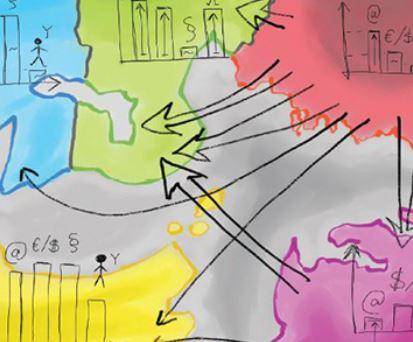
Trade in counterfeit goods poses a serious risk to economic growth, consumers’ health and safety, and the environment. Counterfeit products tend to be shipped to virtually all countries on all continents. This report looks at the profiles of destination economies in the global trade in counterfeit goods. It employs quantitative analysis to examine the socio-economic features of various countries, including the statistical relationship between imports of counterfeits and selected, observable socio-economic factors.
The results show that the factors that are correlated with imports of fakes include:
- The overall value of imports into a country
- GDP per capita
- The quality of the trade and transport infrastructure
- The percentage of the population that uses the internet
- The proportion of the population with tertiary education.
On the other hand, the proportion of the population that is aged 65 and over is negatively correlated with imports of fakes.
While all the factors identified above are important, it should be noted that none of these factors alone can explain the propensity of a given economy to import fakes – rather, it is the combination of numerous factors that shapes the demand for fakes, and, consequently, the propensity for importing counterfeit goods. Also, many of the factors presented above can be extremely beneficial for trade in general, and – more broadly – for a country’s welfare. These include good logistics facilities and Internet access. It is the misuse of these facilities and the abuse of opportunities they create, that can result in higher flows of trade in fake goods. The degree to which this misuse occurs greatly depends on governance issues, particularly the degree of IP protection.